Top 10 Must-Visit Spots in Osaka for First-Time Visitors
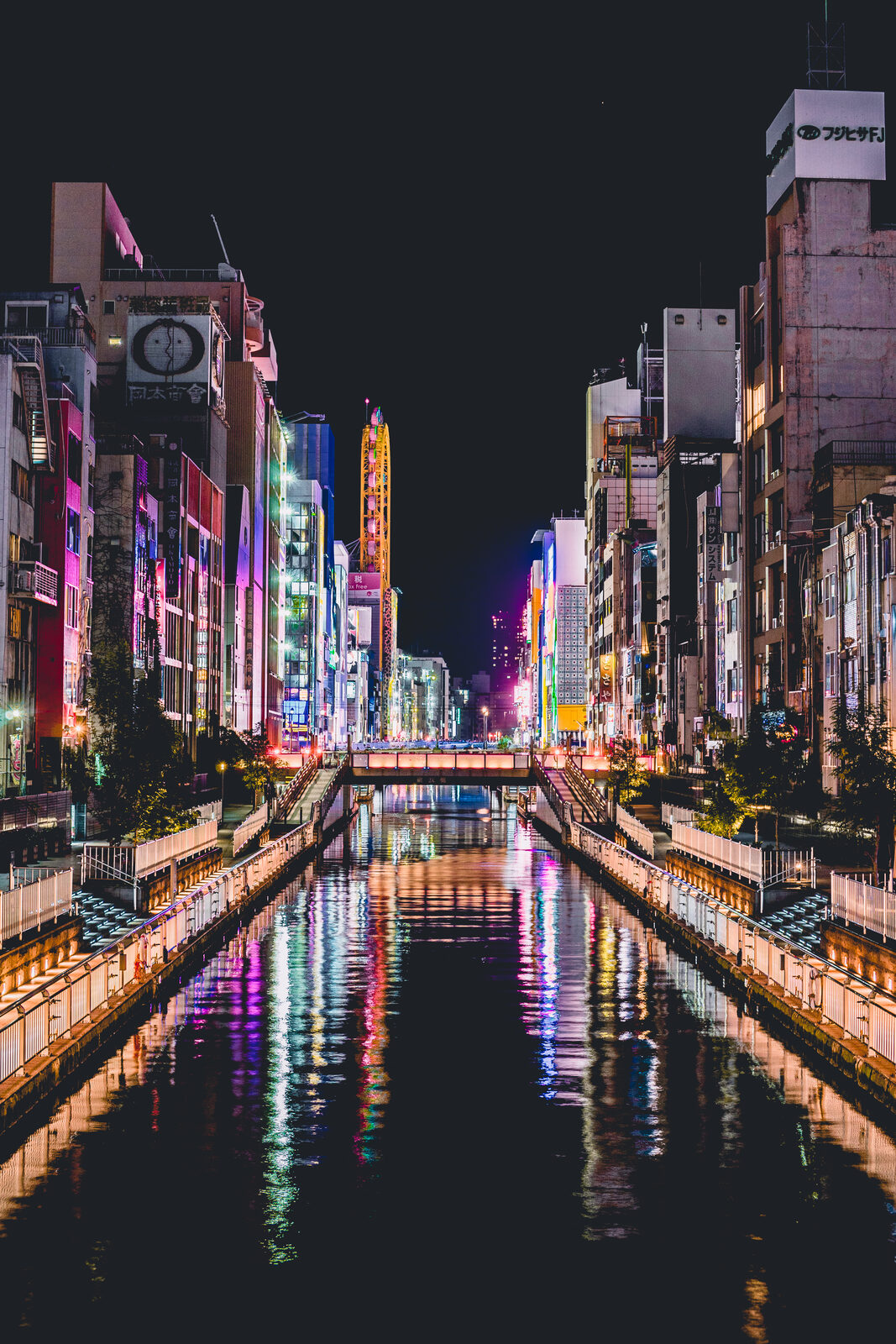
Image: Dotonbori, Osaka, Japan by Redd Angelo via Wikimedia Commons (CC0 1.0 public domain)
A good first Osaka trip gives you two versions of the city: the famous one with neon, castles, markets, and theme parks, and the human one you meet through food, small streets, and local hosts.
Use these ten must-visit spots in Osaka to build your route. Then save half a day for an authentic Osaka experience where you sit down with people who live here.
The best Osaka itinerary leaves space between stations. That is where the city starts to feel less like a map and more like a place.
.jpeg)
.jpeg)
1. Dotonbori
Dotonbori works best after sunset, when the canal catches the signs and the streets start to smell like sauce, batter, and grilled seafood. You will see the Glico running man, giant restaurant signs, and people stopping mid-bridge for photos.
Come hungry, but do not treat the area like a race. Buy one thing, walk, share it, then buy the next. Takoyaki, okonomiyaki, kushikatsu, ramen, and melon pan all compete for your attention.
If Dotonbori makes you curious about Osaka food culture, a hands-on takoyaki cooking class in Shinsaibashi gives you a better story than another snack photo. You learn why people gather around the grill and laugh when the first batch comes out crooked.
2. Osaka Castle
Osaka Castle gives the city a sense of scale. You leave the station, cross the park, and the tower rises above stone walls that feel too large for the modern traffic around them.
The current castle tower is a reconstruction, so visit it as a museum and viewpoint. The park may give you the better moment: plum blossoms in late winter, cherry blossoms in spring, and families spreading lunch under the trees.
Go in the morning if you want more room to move. Bring water in summer, because the park paths can feel longer than they look on a map.
3. Tsutenkaku
Tsutenkaku does not try to look new. The tower belongs to Shinsekai's retro mood, where signs crowd the streets and restaurants call you in with plastic food displays and bright lanterns.
Visit for the old Osaka atmosphere rather than the tallest view. You come here to feel a different rhythm: more local, more worn-in, and less polished than the shopping districts.
4. Shinsekai
Shinsekai surrounds Tsutenkaku, and the name means "New World." Today, the area feels like an older Osaka postcard that someone kept in a kitchen drawer.
Try kushikatsu, but follow the old local rule: do not dip twice into shared sauce. Many shops now use individual sauce, yet the rule still tells you something about Osaka's communal food culture.
Daytime suits first-time visitors who want a calmer walk. Evening brings more color and more noise.
5. Kuromon Market
Kuromon Market is easy, central, and built for grazing. You can try grilled scallops, fruit, skewers, seafood bowls, or small sweets without committing to a full restaurant meal.
Go earlier in the day, bring cash, and step to the side before checking your phone. The lanes can get tight, and the vendors work faster than the crowd moves.
Kuromon has become popular with visitors, so prices can run higher than neighborhood markets. Treat it as a convenient food walk, then look for smaller local shops during the rest of your trip.
6. Shinsaibashi
Shinsaibashi connects shopping, cafes, side streets, and the walk toward Dotonbori. You can spend an hour here or lose half a day without noticing.
The area also gives you a good base for a food experience. Nagomi's takoyaki class takes place near Shinsaibashi and Dotonbori, so you can pair it with shopping or an evening canal walk.
That combination works well: see the bright Osaka first, then sit at a grill with local hosts and make the food yourself.
7. Umeda Sky Building
The Umeda Sky Building gives you a clean view of northern Osaka, especially around sunset. You ride up, cross the high escalator, and reach an open-air observatory where the city spreads toward the bay.
Umeda is a major transport hub, so this stop fits well before dinner or after shopping. If your hotel sits near Osaka Station, keep this for a night when you do not want another long train ride.
8. Abeno Harukas
Abeno Harukas is Japan's tallest building and one of the easiest places to understand Osaka's geography. On a clear day, you can see the city stretch toward the bay, then back toward the mountains.
Pair it with Tennoji, Shinsekai, or Tennoji Park. This part of Osaka gives you a different feel from Umeda: less corporate, more mixed, and useful for travelers who like walking between neighborhoods.
9. Universal Studios Japan
Universal Studios Japan can take a full day, especially if your group wants Super Nintendo World, popular rides, and seasonal events. Buy tickets in advance and check timed-entry rules before you go.
Do not overload that day. After hours of lines, music, and crowds, a simple dinner near your hotel may feel better than another ambitious plan.
10. Osaka Aquarium Kaiyukan
Kaiyukan works well for families, rainy days, and travelers who want a quieter pace than Namba. The route moves around a central tank, so you descend through different Pacific environments rather than jumping between small rooms.
The Tempozan area nearby gives you bay views and space to breathe. It pairs well with a slower afternoon, especially after several days in station crowds.
The Osaka Memory Most Lists Miss
Landmarks help you understand Osaka's shape. A local home helps you understand the pace of daily life.
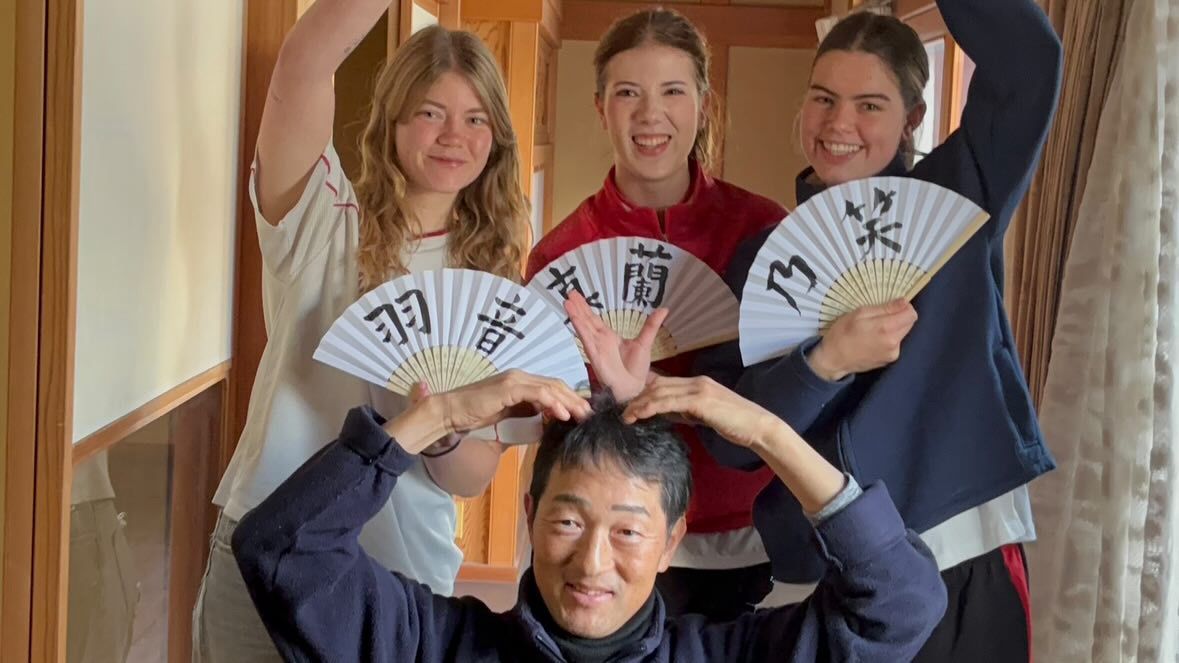
After Dotonbori, Osaka Castle, and Shinsekai, make space for a local life experience in Osaka. At Nagomi, you visit a traditional Japanese home in Kaizuka, meet local hosts, share tea, try calligraphy, and walk into a family rhythm that most visitors do not see.
A guest once told us the quietest part of the day stayed with her: shoes lined by the entrance, tea cooling in a small bowl, and someone explaining why a farm vegetable tastes different when you pull it from the soil yourself.
That kind of moment does not compete with sightseeing. It gives the famous places somewhere to land.
A First-Time Osaka Itinerary That Has Room to Breathe
Day 1
Start with Shinsaibashi and Dotonbori. Eat in small rounds, then walk the canal after dark.
Day 2
Visit Osaka Castle in the morning. Move to Umeda Sky Building near sunset and keep dinner close.
Day 3
Choose one full-day anchor: USJ, Kaiyukan, or a deeper Osaka cultural experience with Nagomi.
Last morning
If you fly from Kansai International Airport, Kaizuka makes a calm final stop because it sits close to KIX by train.
Turn Your Osaka Trip Into a Story
Use the famous sights to meet Osaka's energy. Book Nagomi when you want tea, conversation, and a local memory you can still explain when the photos blur together.
Explore Nagomi ExperiencesQuestions Travelers Ask
How many days do I need in Osaka for a first trip?
Two to three days covers the main Osaka sights. Add a half day for a local experience if you want tea, food, or conversation beyond the landmark route.
What is the best area to visit first in Osaka?
Dotonbori and Shinsaibashi are easy first stops because they combine food, shopping, and famous Osaka scenery in one walkable area.
How can I experience local life in Osaka?
Visit a traditional Japanese home, join a small cooking class, take tea with local hosts, or spend time outside the busiest tourist districts.
Is Osaka better for food or sightseeing?
Osaka is strong for both, but food makes the city easier to understand. Markets, takoyaki, kushikatsu, and local cooking experiences reveal the city's social side.
What should I do near Kansai International Airport?
Kaizuka is close to Kansai International Airport by train. It works well for a calm local experience before departure or after arrival.